Buying ATEX Zone 2 LED lighting starts with a defined hazardous-area requirement and a measurable lighting task. “Zone 2,” “80W” and “waterproof” describe different parts of the decision. They should not be treated as interchangeable shortcuts for selecting a fixture.
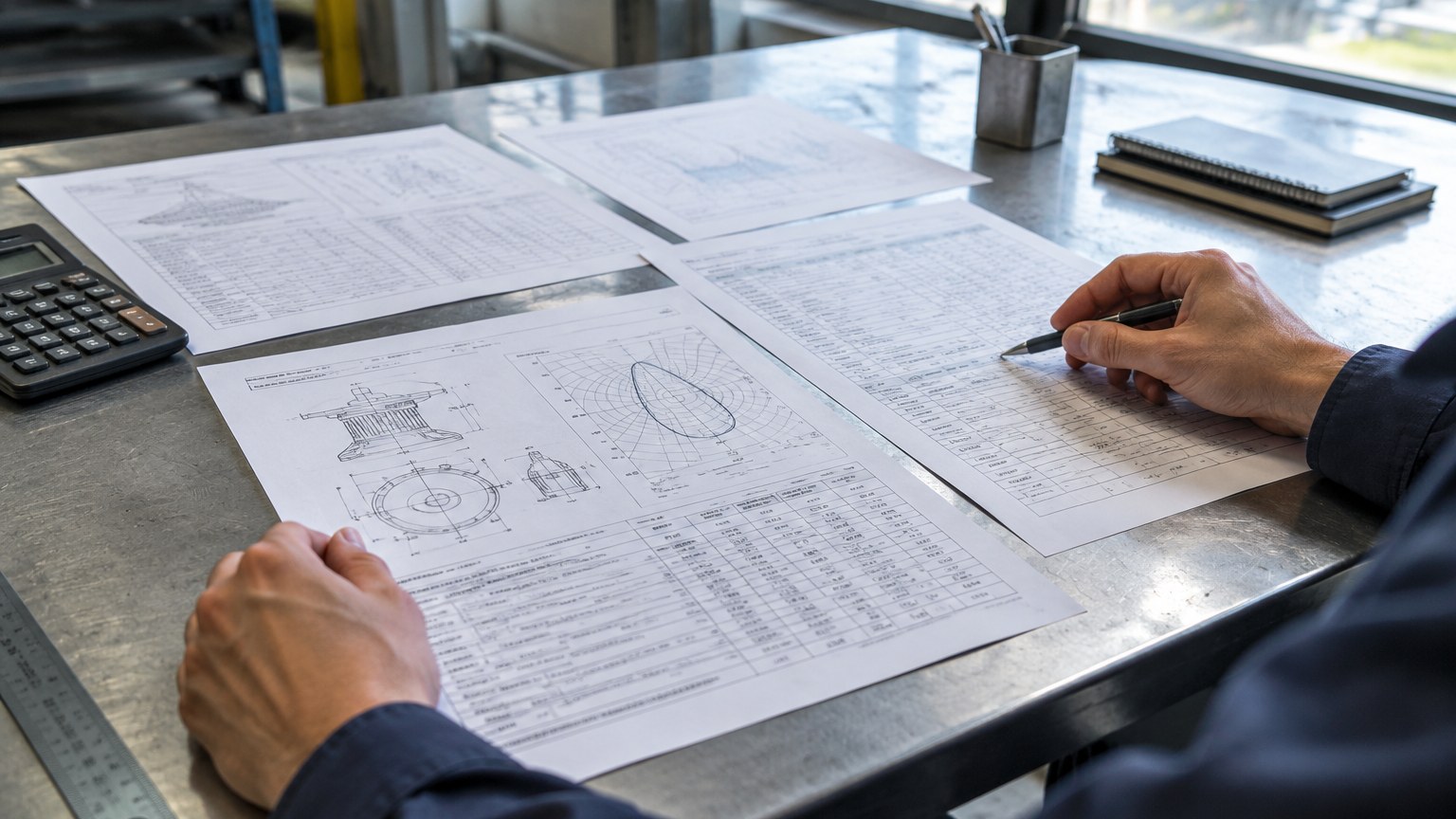
For a useful supplier quotation, state the area classification, relevant substance information, site conditions, required lighting performance, installation arrangement and quantity. This article shows how to put those details into a practical RFQ with clear numeric comparisons.
What does Zone 2 mean for a lighting purchase?
Zone 2 concerns an explosive gas atmosphere that is unlikely in normal operation and, if it occurs, persists only briefly. It is not a measure of how bright, waterproof or impact-resistant a light is. The HSE hazardous-area definitions distinguish gas zones 0, 1 and 2 from dust zones 20, 21 and 22.
A site being outdoors, clean or well ventilated does not establish its classification. Use the project’s area-classification information. A general workshop or warehouse application description cannot replace that assessment.
For gas service, Category 3G is associated with Zone 2 selection. Higher categories may also be suitable where their complete ratings and conditions match: HSE’s equipment-selection guidance permits Categories 1, 2 or 3 in Zone 2, subject to suitability. Category alone is not a complete luminaire specification.
| Classified atmosphere | Zone references | Category selection described by the cited guidance | What to put in the lighting enquiry |
|---|---|---|---|
| Gas, vapour or mist | 0 / 1 / 2 | Zone 2: 1G, 2G or 3G, subject to suitability | Actual gas-zone requirement and applicable substance information |
| Combustible dust | 20 / 21 / 22 | Zone 22: 1D, 2D or 3D, subject to suitability | Dust-zone requirement and applicable dust information |
| Both hazards | Separate gas and dust classifications | Assess each applicable requirement | Do not assume gas approval also covers dust |
Keep these category references separate from mounting, ambient temperature and ingress protection. Our explosion-proof lighting selection guide discusses the broader selection process.
Separate hazard requirements from environmental requirements
Two Zone 2 locations can need different lighting configurations. One may be sheltered and accessible; another may expose the fixture to weather, corrosive substances or difficult maintenance access. The same zone label does not make their installation details identical.
The following are illustrative purchasing cases, not universal minimum specifications. The project’s assessment and the selected model’s documentation determine the final limits.
| Example location | Quantity and installation brief | Environmental information to record | Quotation distinction |
|---|---|---|---|
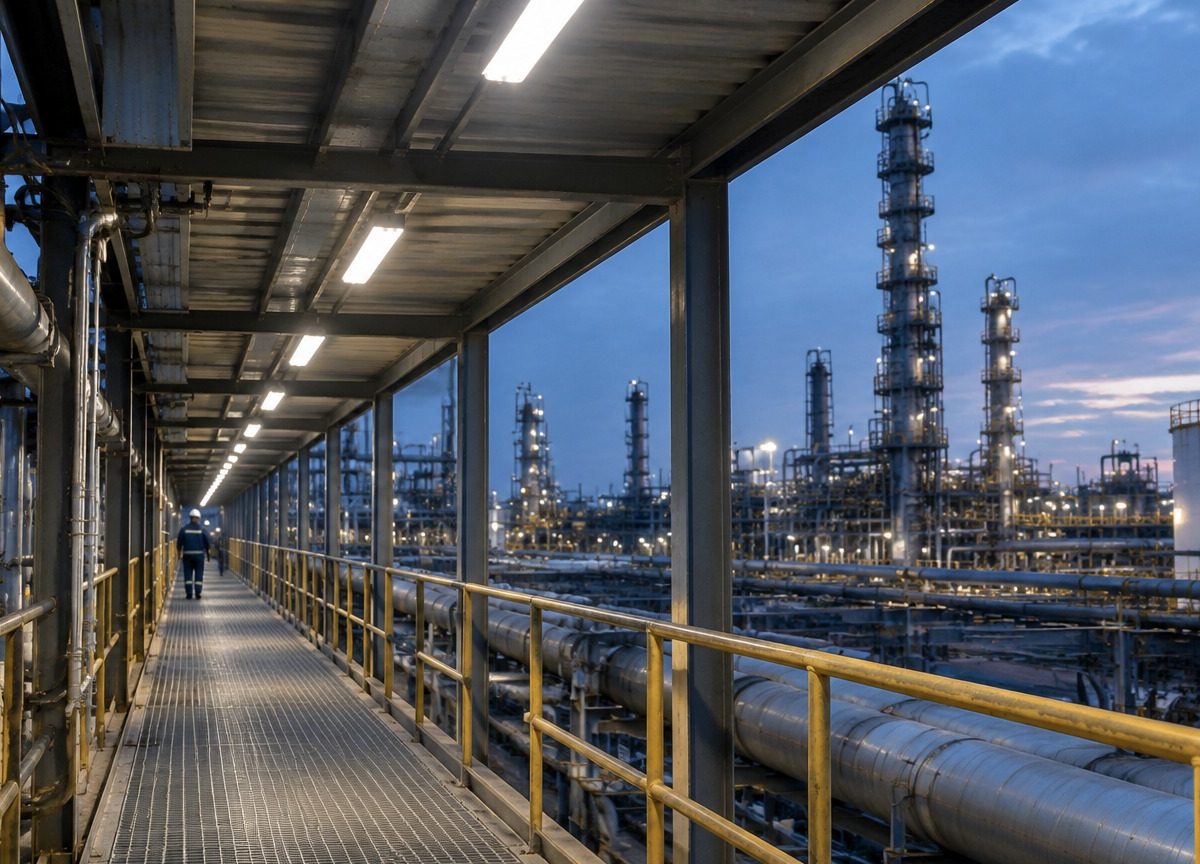
| Covered process walkway | 24 fixtures, wall brackets | Actual temperature limits, cleaning method and substance exposure | Bracket type, fixture orientation and permitted cable entry |
| Outdoor service platform | 18 fixtures, structural supports | Rain exposure, corrosion conditions and access constraints | Suitable materials, mounting arrangement and maintenance access |
| Two separate buildings | 24 + 18 = 42 fixtures | Conditions listed for each building | Separate configuration and packing lines if the requirements differ |
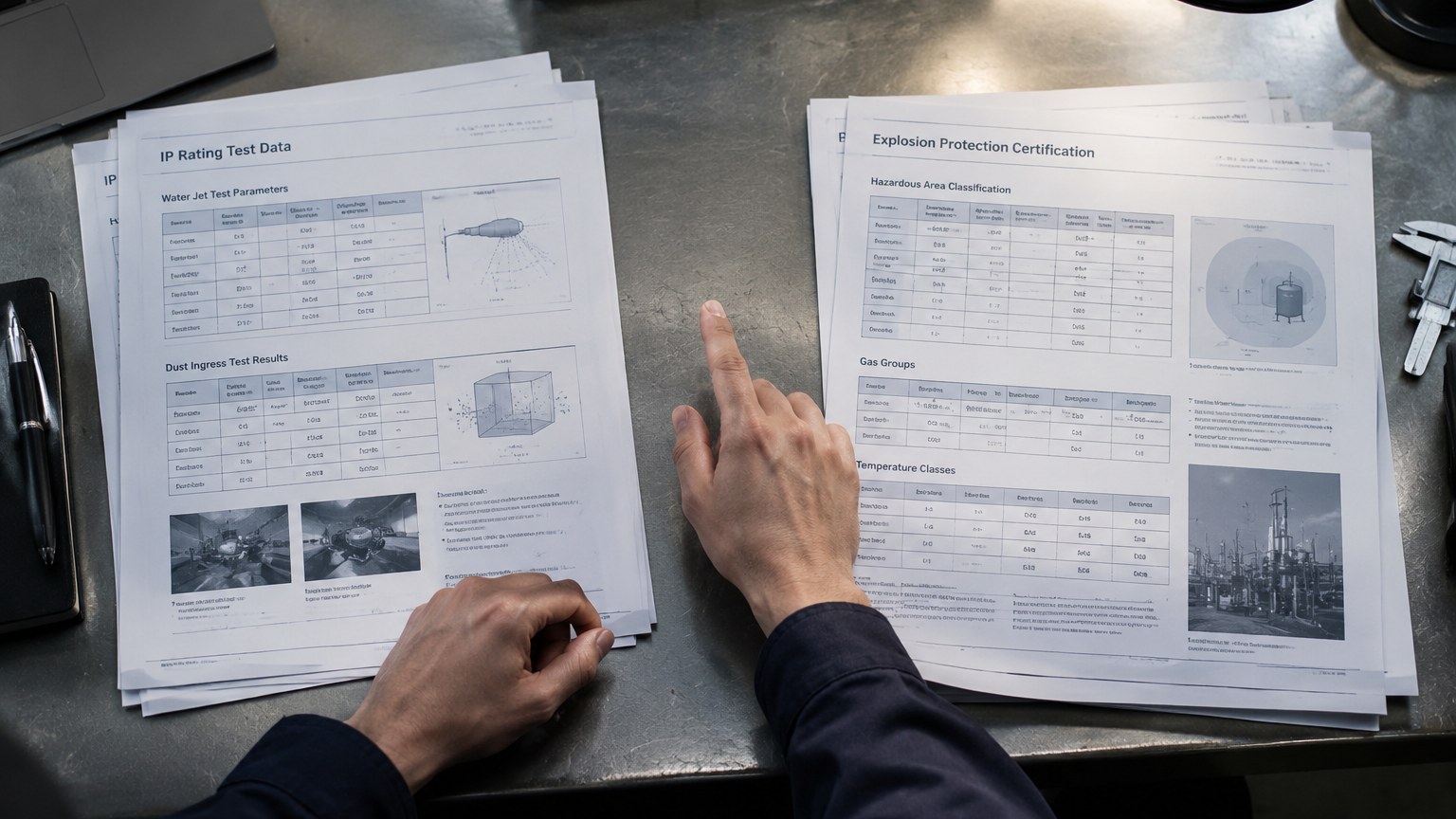
An IP rating addresses ingress protection; it does not establish suitability for an explosive atmosphere. The distinction matters when an offer uses “IP66” as its main explanation of hazardous-area suitability. Our vapor-tight versus explosion-proof lighting guide explains why those descriptions should not be combined casually.
Compare watts, lumens and layout as different quantities
Power in watts helps estimate electrical demand. Lumens describe light output. Neither number alone predicts the maintained illuminance at a walkway, platform or inspection point. That also depends on light distribution, mounting height, spacing, obstructions and the design assumptions.
For illustration, a 12,000 lm fixture drawing 80W has an arithmetic efficacy of 150 lm/W. A 12,000 lm fixture drawing 100W gives 120 lm/W. These are calculation examples, not declared CoolShinePro model ratings, and equal lumens do not establish equal installed performance.
| Calculation example | Input power | Assumed output | Calculated efficacy | What remains to compare |
|---|---|---|---|---|
| Option A | 80W | 12,000 lm | 150 lm/W | Photometric distribution, documented conditions and layout |
| Option B | 100W | 12,000 lm | 120 lm/W | The same project requirements and calculation assumptions |
Give the supplier a dimensioned layout and the project’s target illuminance and uniformity requirements. Evaluate proposed spacing using the relevant photometric files. Do not derive a fixture count simply by dividing floor area by a nominal “coverage area” from a generic catalogue.
Put operating hours into the cost comparison
An energy estimate makes a Zone 2 LED lighting quotation easier to compare. For a hypothetical 60-fixture installation operating 12 hours per day for 300 days per year, annual operating time is 3,600 hours.
The calculation is fixture count × input watts ÷ 1,000 × operating hours. Using the two illustrative power options above gives:
| Option | Fixtures | Connected load | Annual operating hours | Calculated annual energy |
|---|---|---|---|---|
| A: 80W each | 60 | 4.8 kW | 3,600 h | 17,280 kWh |
| B: 100W each | 60 | 6.0 kW | 3,600 h | 21,600 kWh |
| Difference | Same count | 1.2 kW | Same schedule | 4,320 kWh |
At an illustrative electricity rate of US$0.12/kWh, that difference is US$518.40 per year. Use your actual tariff, operating schedule and documented input power; add controls and operating states where relevant. The comparison only becomes a purchasing conclusion after both options meet the same lighting and hazardous-area requirements.
For a model-based discussion, our 80W hazardous-area LED light listing is a starting point. The assumed 12,000 lm figure in the example above is not a specification for that listing.
Build an RFQ that separates accessories from fixture quantity
A bare fixture price and a complete installed-supply quotation can cover different things. Ask the Zone 2 LED light supplier to identify mounting hardware, permitted cable-entry accessories, connection arrangements, installation instructions and the applicable document package.
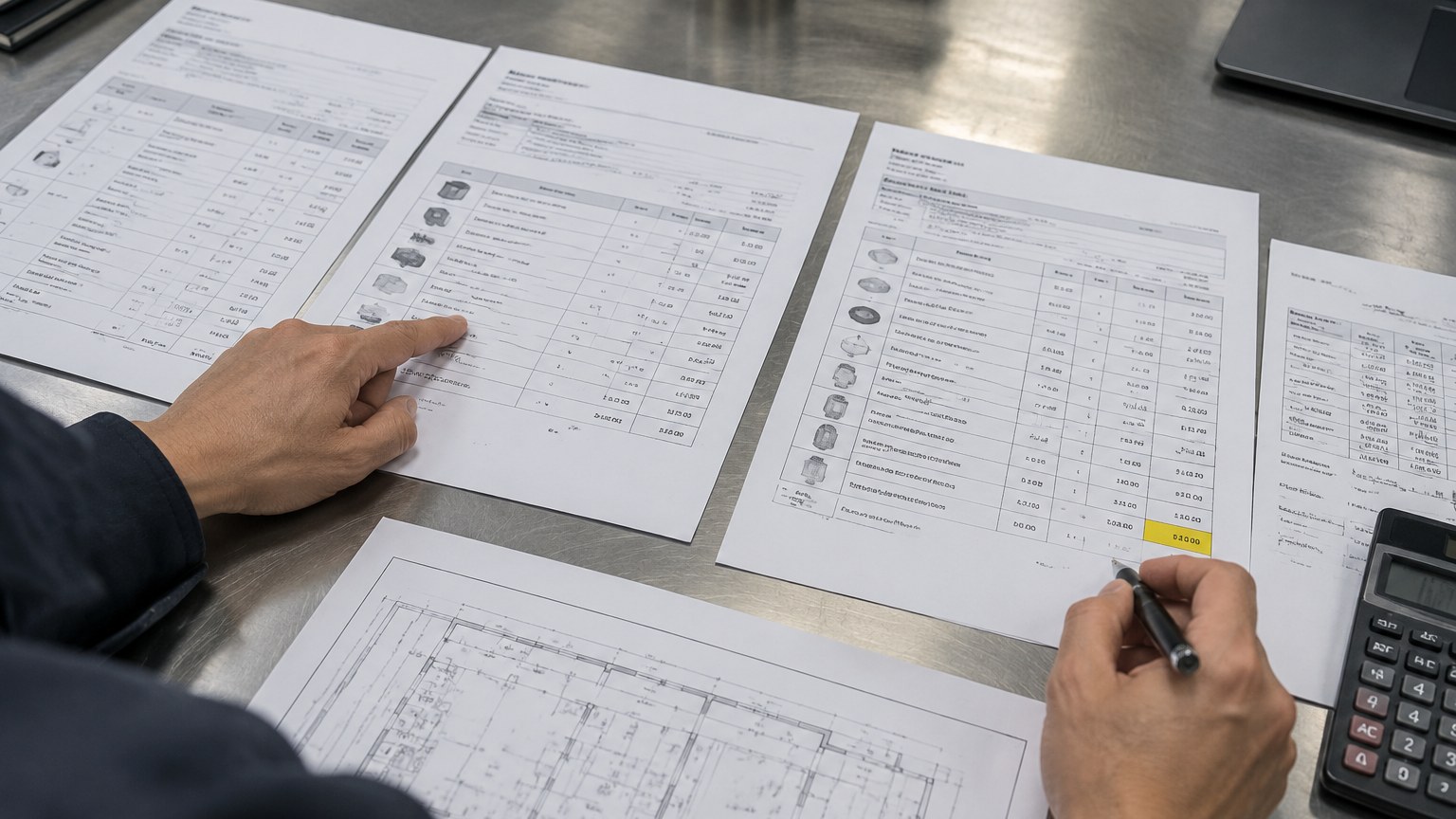
Consider a purchasing schedule of 42 fixtures for the two locations described earlier. If the approved design requires one bracket set per fixture, that produces 42 bracket sets. Cable glands should follow the approved entry and connection arrangement; they should not be estimated from fixture count without checking the design.
| Order line | Example quantity | Basis for the quantity |
|---|---|---|
| Walkway fixtures | 24 | Accepted layout for the walkway |
| Platform fixtures | 18 | Accepted layout for the platform |
| Mounting sets | 42 | Assumed 1 approved mounting set per fixture |
| Cable-entry accessories | To the approved entry schedule | Number and type depend on the permitted arrangement |
| Delivery groups | 2 | Separate identification for the two installation locations |
Request a response that identifies the exact model, offered quantity, included accessories, applicable evidence and commercial scope for each line. If a supplier proposes a substitution, compare it against the approved configuration before changing the purchase order.
Frequently asked questions
Is Zone 2 the same as Zone 22?
No. Zone 2 refers to the gas-atmosphere classification; Zone 22 concerns combustible dust. A project can involve either or both, and the equipment must suit the applicable hazards.
Can a Zone 1 fixture be used for a Zone 2 project?
Potentially, if the complete equipment ratings, environmental limits, installation conditions and project requirements are suitable. A higher category does not excuse an unsuitable gas group, temperature limit or installation arrangement.
Is 80W a standard requirement for Zone 2 LED lighting?
No. Zone classification does not specify lamp power. Determine light output and distribution from the lighting task, then select a suitable documented product configuration.
Does an IP66 rating establish explosion protection?
No. Ingress protection and explosion protection address different requirements. Check both where the project requires them.
What should I send to request a Zone 2 lighting quotation?
Send the destination, area-classification information, relevant substances, temperature conditions, layout, lighting targets, mounting and connection requirements, quantities and requested delivery arrangement. Include the project’s required ATEX or other acceptance documentation.
Request a project-specific Zone 2 lighting offer
Send your lighting enquiry to CoolShinePro with the layout and technical brief. Separating the hazardous-area requirements, lighting calculation and accessory schedule helps turn a general product enquiry into a quotation that purchasing and engineering can evaluate together.