
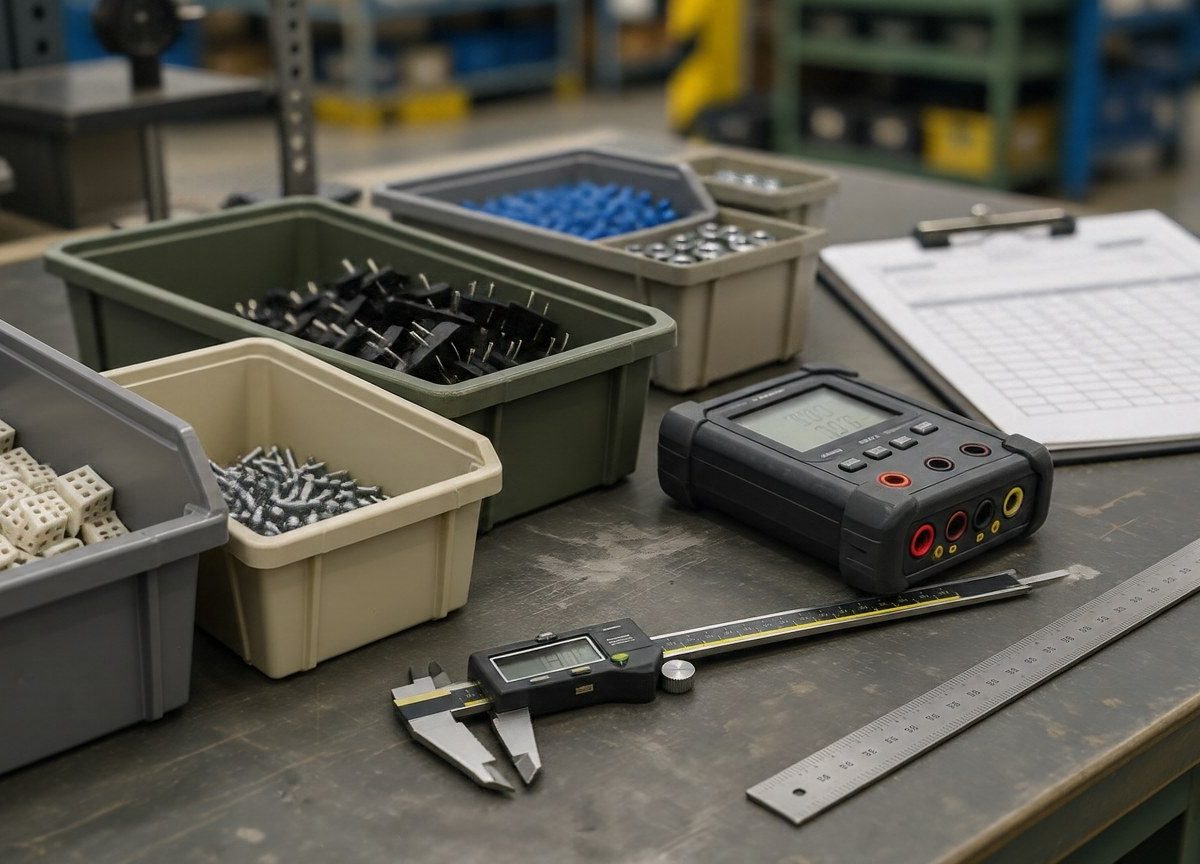
An approved LED tri-proof light sample should define what the supplier is expected to ship. Build an acceptance sheet before the sample arrives. Give each check a method, a value or document to compare against, and a decision for discrepancies. This makes a sample approval useful when production starts or a replacement part is ordered later.
Freeze the sample configuration
Record the fixture model and revision, driver, diffuser, cable-entry arrangement, brackets and ordered options. Photograph the sample and the packaging identifier. Ask the supplier to record any component that differs from the production configuration. If the project uses two mounting kits or two control variants, keep each approval separate.
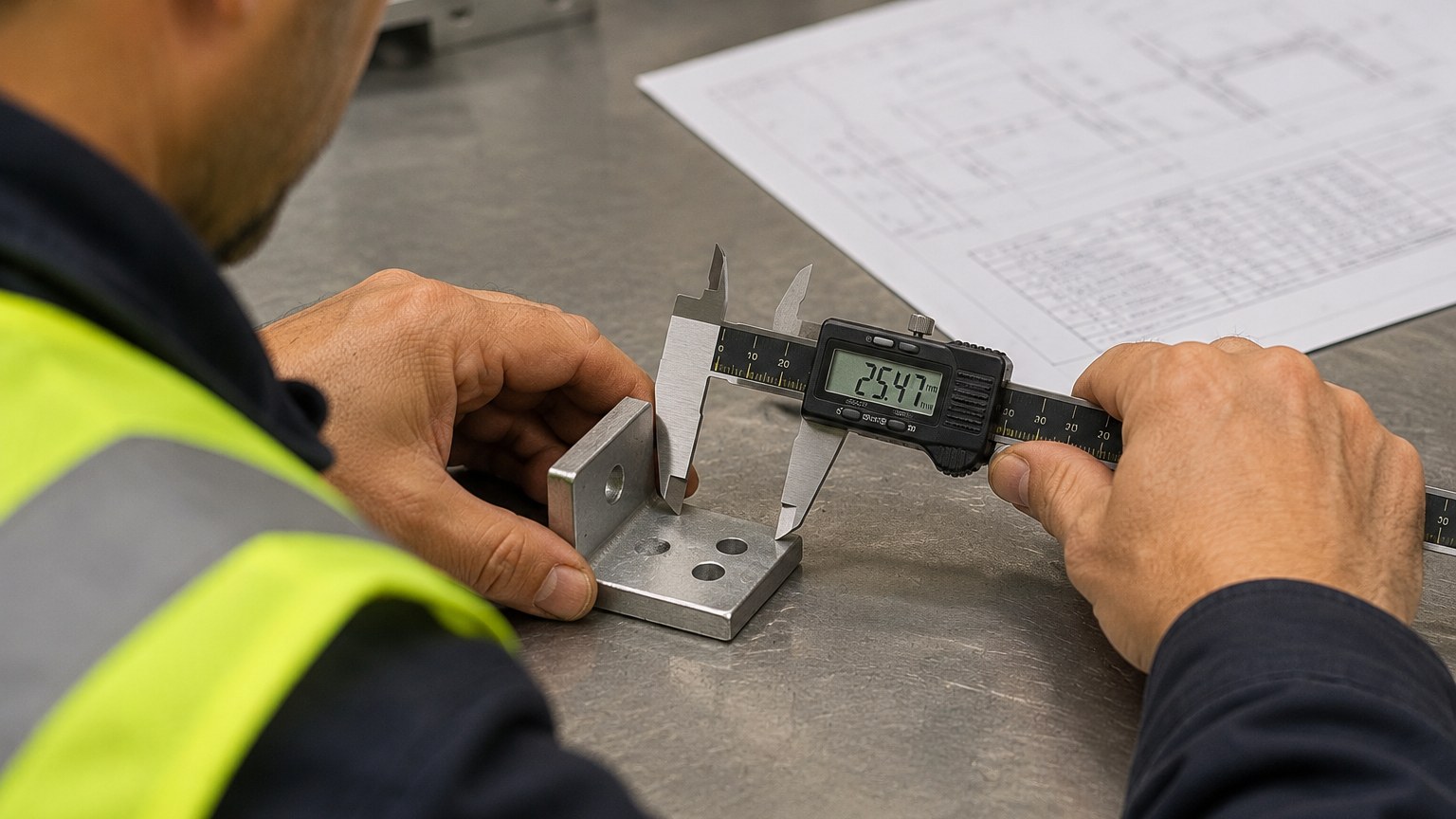
Distinguish measurements on the sample from evidence supplied by a lab. A receiving inspection can check dimensions and the contents of a kit. For an ingress or photometric claim, match the report to the assembled model and revision. A trial installation may confirm access and mounting fit, but it does not establish a rating.
Use an acceptance sheet with actual decisions
| Check | Example purchase agreement | Example result | Decision in this example |
|---|---|---|---|
| Mounting centres | 800 ± 2 mm per approved drawing | 803 mm | Hold and reconcile drawing or bracket |
| Input power at agreed test condition | 36 W ± 5%, or 34.2–37.8 W | 37.4 W | Within agreed band |
| Accessory kit | 2 specified brackets per carton | 1 supplied | Hold packing approval and correct kit |
| Driver revision | Revision recorded on signed sample | Different revision declared | Review documents and retest affected checks |
These are illustrative acceptance terms. Agree real tolerances and test conditions before measuring, including supply, controls state and stabilisation. Have qualified staff carry out electrical checks using a suitable power analyser and approved procedure. A tape measure and a photograph cannot verify power, lumen output or protection claims.
Check fit on a representative installation
Fit one sample to the intended support or an approved jig. Check clearances for mounting, opening and service access. If the installation has two distinct support types, test both. Have the installer note whether the supplied brackets can be positioned as drawn and whether the documentation covers the cable entry. Separate a fit problem from a damaged or missing part so procurement can identify the right correction.

Carry the approved sample into receiving inspection
For an example 240-unit order shipped as three traceable lots of 80, ask the supplier to identify each lot and attach the agreed inspection records. The buyer and supplier should agree any lot sampling and rejection rules in advance. Preserve the approved sample records and compare deviations against them when the shipment arrives. A mismatch in mounting or a changed driver should trigger review of the affected check before release.

Put the model and revision, drawing, accessories, acceptance sheet and substitution process on the order. Use the tri-proof supplier selection guide when comparing suppliers, and send the acceptance sheet with your sample request so each quotation covers the same checks.